A Facade in Conversation: Brick Matching for Extensions and Repairs on Older UK Homes
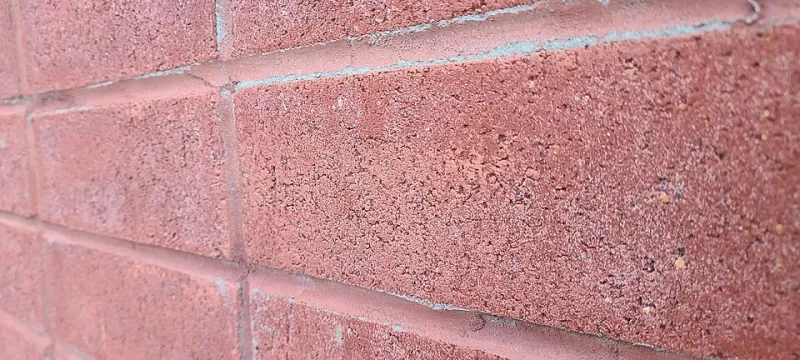
Photo: Silver Dovelet, CC BY-SA 4.0, via Wikimedia Commons
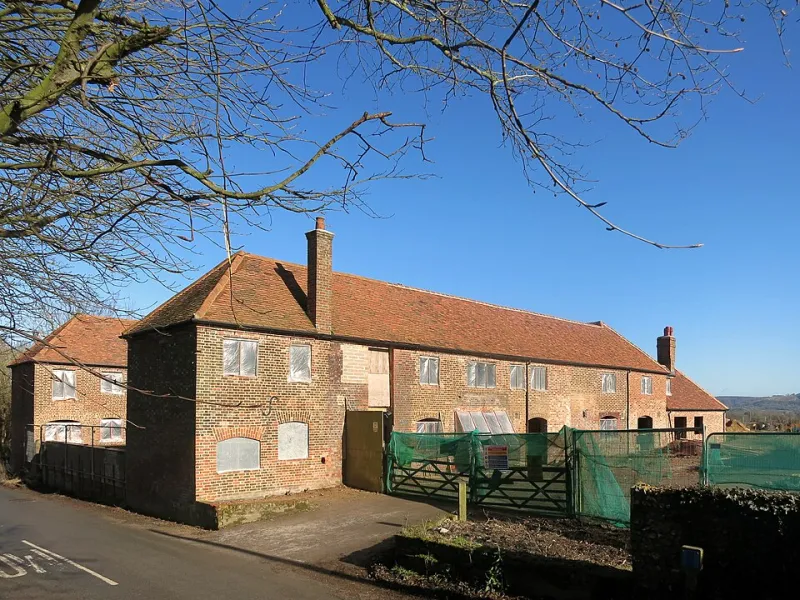
An extension or repair to an older UK home is rarely judged in isolation. The new work will be seen against walls that may have stood for a century or more, and the eye is quick to notice when one section does not belong. Brick matching is therefore less about finding an exact product than about understanding a wall as a whole: its clay, its colour range, its texture, its mortar, its bond and the patina that only weather and time can supply.
That is not a reason for anxiety. It is a reason for early, methodical selection. On a well-run project, brick choice begins before the first delivery note and often before the final drawings are frozen. The aim is not to fake age, but to make new work sit convincingly alongside the old.
Why the wall is more than its colour
Homeowners often begin with a photograph and a request for the same brick. A builder will look at the same wall and ask different questions. Is the existing brick a dense machine-made clay, a softer handmade stock, a Fletton, or a reclaimed London stock? Has it been painted, rendered or repointed in a way that has changed its appearance? Does the wall have a narrow colour range, or does it move from orange to brown to near-black across a single elevation?
Texture matters as much as hue. A smooth wirecut brick beside a handmade brick with a creased face will read as a mismatch even if the colour is close. The same applies to size and tolerances. Older bricks were often made to different dimensions, and a modern metric brick can look too regular beside a wall with gentle variation. A responsible builder will assess the existing wall in natural light, at different times of day, and in both wet and dry conditions.
Mortar, joint and bond: the quiet signals
Mortar is often the deciding detail. A hard cement-rich mortar can be visually and physically at odds with a soft old brick, and it can also affect how the wall manages moisture. Lime mortars, chosen to suit the existing fabric, offer a different colour and texture, and they allow a degree of movement. The colour of the sand, the mix ratio and the finish of the joint all influence how the new work reads.
Joint profile deserves equal attention. A flush joint, a recessed joint and a weatherstruck joint each catch the light differently. If the existing wall has a particular pointing style, the new work should generally respect it, provided that the detail is appropriate for the exposure and the brick.
Bond is the rhythm of the wall. Stretcher bond, English bond, Flemish bond and garden wall bond all create different patterns, and a change of bond can be as noticeable as a change of brick. On an extension, the bond should be considered alongside structure, insulation and movement joints. The objective is coherence, not imitation at any cost.
Age, weathering and the honest sample
New brick is rarely the same as old brick. Weathering, soot, lichen, rain and pollution all alter appearance. A new brick that looks perfect in a showroom may appear too bright or too uniform once built. Conversely, an aggressively cleaned old wall may lose the very patina that made it attractive. Cleaning should be approached cautiously and with test areas.
For this reason, a sample panel is valuable. A small panel built on site, using the proposed brick, mortar and joint finish, allows the client and builder to judge the match in the real light. It also allows the bricklayers to refine the mix before work begins in earnest. Reclaimed bricks can be a good option where availability and performance allow, but they bring their own questions: consistency, strength, frost resistance and sufficient quantity for the whole elevation.
In conservation areas or on listed buildings, planning and conservation input may be required before materials are ordered. In all cases, a written brick and mortar schedule is worth having. It records the source, the batch, the mortar mix, the joint profile and the agreed sample. Spare bricks should be retained for future repairs.
What to agree before work starts
The most reliable route to a coherent facade is a short, clear conversation before the first brick is laid. Agree the sample panel. Agree how the new work will meet the old, including any movement joints or structural details. Agree who is responsible for protecting the wall during the build. Agree how the finished work will be cleaned down, because poor cleaning can undo a good match in an afternoon.
A good match will not be invisible. It will be convincing. It will allow the old wall to remain itself while the new work takes its place with confidence. That is the standard RMR Builders Ltd works to: not a patchwork of effort, but a facade that agrees with itself.