Order Before Demolition: How a Well-Prepared UK Site Signals a Well-Run Renovation
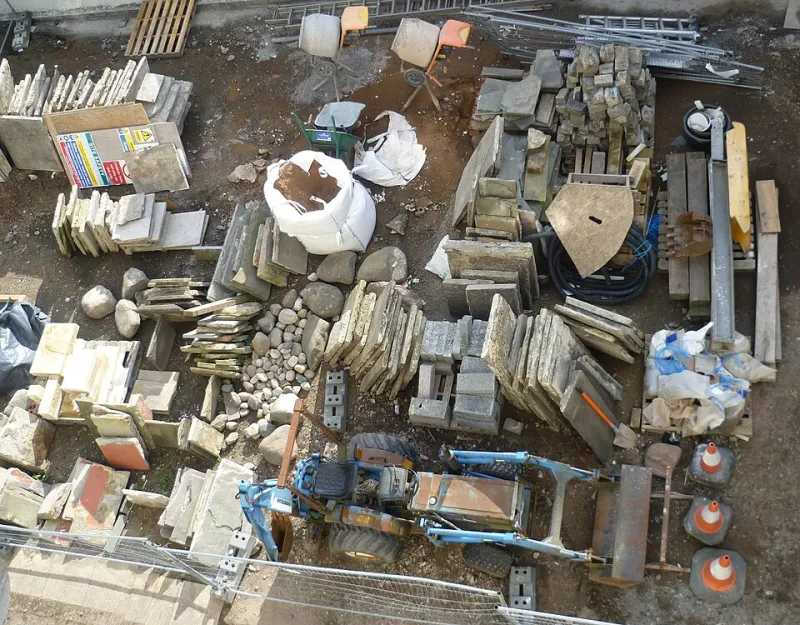
Photo: kim traynor , CC BY-SA 2.0, via Wikimedia Commons
The quiet hour before the work begins
On a well-managed renovation, the most telling hour is often the quietest. Before demolition starts, before the first fixing is removed and before the skip fills, a professional builder is making a series of decisions that will govern the conduct of the entire project. These decisions are not decorative. They concern protection, access, waste, dust, welfare and communication. Together, they form a practical statement of how the site will be run.
For homeowners, this early period is a useful diagnostic. A renovation is rarely made or lost in a single dramatic moment. It is shaped by hundreds of small routines: where boots are cleaned, how debris is carried, whether a fire door is propped open, whether a neighbour knows when the noisy work will start. A builder who controls these details before the first hammer falls is usually a builder who will control the larger ones later.
The site as a statement of intent
A construction site in an occupied or neighbouring home is never a neutral space. It sits within a street, a shared wall, a family routine and, often, a sensitive period of change for the client. The first day should therefore show evidence of thought beyond the drawing package. Are the agreed access routes clear? Have floor coverings been laid along the main circulation path? Are stairs protected, handrails secure and temporary lighting adequate? These are modest measures, but they reveal whether the builder has planned for the people who will live alongside the work.
Equally revealing is the condition of the frontage. A tidy exterior, with materials stored considerately and routes kept clear, suggests a site that is being supervised rather than merely occupied. On UK projects, where terraces, shared passages and restricted parking are common, this discipline is not cosmetic. It is a practical form of respect for the street and for the client’s relationship with their neighbours.
Protection, access and the discipline of the everyday
Professional site preparation begins with containment. Dust sheets, rigid floor protection and temporary door guards are familiar enough, but their quality and consistency matter. A single unprotected corridor can allow grit and plaster dust to travel through a home within hours. A well-run site will establish a clean route to the work area, a defined route for materials and a separate route for waste wherever possible.
Access control is part of the same discipline. Traders should know where to enter, where to park, where to store tools and where not to go. On domestic projects, this is especially important because the site is also someone’s home. Clear arrangements reduce friction and make it easier to challenge poor practice early. If a site has no obvious logic to its routes, storage or protection, that absence is worth noting.
Waste, dust and the boundaries of work
Waste management is one of the clearest indicators of site competence. A professional set-up will identify where waste is to be segregated, how it will be removed and who is responsible for keeping the area orderly. Mixed rubble, packaging and offcuts left in circulation areas create hazards and slow the work. Segregation also supports responsible disposal and helps the client understand the environmental cost of the project.
Dust control deserves similar attention. Negative pressure units, zipped dust screens, taped joints and careful cutting practices are not excesses; they are standard measures on sensitive renovations. The same applies to noise and vibration. A builder should be able to explain when the noisiest operations will occur and how neighbours will be given notice. These arrangements are not guarantees of perfection, but they demonstrate that the project is being managed as a whole rather than as a sequence of isolated tasks.
Welfare, signage and accountability
Welfare provision is sometimes treated as a back-office matter, yet it is a reliable sign of how a contractor values its workforce and its clients. Access to a clean WC, washing facilities, drinking water and a dry place to store personal belongings are basic requirements. On smaller domestic sites, these arrangements may be modest, but they should be explicit. A site without them tends to produce improvised solutions that affect the home and the street.
Signage supports accountability. A visible site notice with the contractor’s details, an emergency contact and clear safety information is a simple but meaningful step. So is a named site supervisor who can answer questions and make decisions. When responsibility is visible, problems are more likely to be raised and resolved before they become disputes. Homeowners should not feel that they are managing the site by default.
Neighbours as stakeholders
In UK residential work, neighbour communication is not a courtesy bolted on at the end. It is part of the project’s risk management. A brief note before work begins, clear information about working hours and a contact for concerns can prevent a great deal of avoidable tension. Party wall matters, shared access and parking arrangements all benefit from early clarity.
A professional builder will not promise that disruption can be eliminated. That would be unrealistic. What can be promised is that disruption will be anticipated, explained and contained. The first day on site is often when this promise becomes credible, or when it begins to look merely rhetorical.
What homeowners should look for
The most useful approach is to observe rather than inspect. Is the site protected where it needs to be? Are routes clear and reasonably clean? Is waste being managed, or simply accumulated? Are dust controls in place before cutting begins? Is there a named person to speak to? Do neighbours know what is happening? These questions are simple, but they are difficult to fake over the course of a project.
A calm first day is not a guarantee of a flawless renovation. Construction always involves uncertainty, and even well-run sites encounter problems. But order before demolition is a strong indicator of order afterwards. It shows that the builder has thought about the home, the street and the people who will live with the work. For RMR Builders Ltd, that is the standard by which trade reliability should be judged: not only by what is built, but by how the building process is conducted from the very first morning.